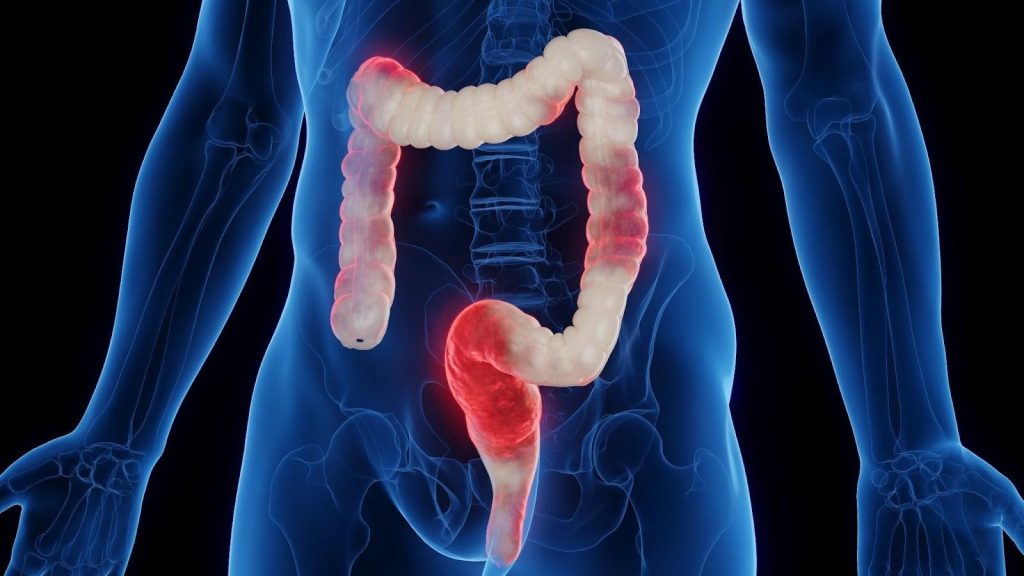
Gastrointestinal (GI) tract bleeding refers to any bleeding that occurs within the digestive system, which extends from the oesophagus and stomach through to the small intestine, large intestine (colon), rectum and anus. It is a symptom rather than a disease in itself and may range from mild to life-threatening depending on the source and severity.
GI bleeding is generally classified into two categories:
Upper GI bleeding — originating from the oesophagus, stomach or the first part of the small intestine (duodenum). Common causes include peptic ulcers, oesophageal varices, gastritis or tears in the lining of the oesophagus.
The way GI bleeding presents can vary. Some cases are obvious, with vomiting of blood (haematemesis) or passing blood in the stool (haematochezia or melaena, depending on colour and appearance). Others may be more subtle, detectable only through tests showing anaemia or hidden blood in the stool.
Because gastrointestinal tract bleeding can indicate a serious underlying problem, timely diagnosis and management are essential to prevent complications such as severe blood loss, shock or missed detection of cancer.
Gastrointestinal tract bleeding is a symptom where blood appears anywhere along the digestive tract, from the oesophagus to the rectum, due to underlying disease or injury.
What causes gastrointestinal tract bleeding?
The causes of gastrointestinal (GI) tract bleeding vary depending on whether the source is in the upper or lower digestive tract. Identifying the origin is important, as the underlying conditions and treatments differ.
Causes of upper GI bleeding (oesophagus, stomach, duodenum):
Peptic ulcers — the most common cause, often linked to Helicobacter pylori infection or long-term use of non-steroidal anti-inflammatory drugs (NSAIDs).
Gastritis — inflammation of the stomach lining from infection, alcohol, or certain medications.
Oesophageal varices — swollen veins in the oesophagus, usually due to advanced liver disease, which can rupture and cause severe bleeding.
Oesophagitis — inflammation from acid reflux or infection.
Gastric cancer — a malignant tumour arising from the lining of the stomach. Bleeding occurs when the tumour ulcerates the stomach lining or invades nearby blood vessels. This bleeding is often gradual and may present as iron-deficiency anaemia, though in some cases it can cause noticeable or acute gastrointestinal bleeding.
Duodenal cancer — a rare cancer that develops in the duodenum (the first part of the small intestine). Bleeding may result from tumour ulceration or invasion into surrounding blood vessels and is often subtle, presenting as dark stools or unexplained anaemia rather than obvious bleeding.
Causes of lower GI bleeding (small intestine, colon, rectum, anus):
Diverticulosis — small pouches in the wall of the colon that can bleed.
Haemorrhoids — swollen veins in the rectum or anus that may bleed during bowel movements.
Anal fissures — small tears in the lining of the anus, often associated with straining.
Inflammatory bowel disease (IBD) — conditions such as ulcerative colitis and Crohn’s disease.
Polyps and colorectal cancer — growths in the bowel that may bleed, sometimes as the first sign of cancer.
Bleeding can range from minor spotting on toilet paper to massive blood loss causing shock. Because of this wide spectrum, any unexplained bleeding should always be assessed by a doctor.
What are the symptoms of gastrointestinal tract bleeding?
The symptoms of gastrointestinal (GI) tract bleeding depend on the location, severity and rate of blood loss. Some signs are obvious, while others may be subtle and only detected through medical tests.
Visible symptoms
Vomiting blood (haematemesis) — this may appear bright red if bleeding is brisk, or dark and granular like coffee grounds if the blood has been partially digested.
Blood in the stool — fresh red blood (haematochezia) usually indicates bleeding from the lower bowel or rectum, while black, tarry stools (melaena) suggest bleeding higher up in the digestive tract.
Bleeding from the rectum — bright red streaks on toilet paper or in the bowl may be seen with haemorrhoids or fissures.
General symptoms of blood loss
Fatigue, weakness, or shortness of breath caused by anaemia.
Dizziness, fainting or low blood pressure in cases of heavy bleeding.
Paleness and rapid heart rate, especially if blood loss is severe.
Subtle or hidden symptoms — not all GI bleeding is visible. Chronic slow bleeding can go unnoticed until blood tests reveal iron-deficiency anaemia. Patients may only experience tiredness, reduced exercise tolerance or unexplained weight loss.
Because even mild or intermittent bleeding can point to serious conditions such as ulcers or colorectal cancer, it is important to seek medical advice for proper evaluation.
Gastrointestinal tract bleeding symptoms include passing blood in the stool, vomiting blood, black tarry stools, dizziness and unexplained fatigue from anaemia.
What are the complications of gastrointestinal tract bleeding?
If left untreated, gastrointestinal (GI) tract bleeding can lead to serious and sometimes life-threatening complications. The severity depends on the speed of blood loss, the underlying cause and how quickly treatment is given.
Anaemia — chronic or slow blood loss can cause iron-deficiency anaemia, leading to fatigue, shortness of breath, dizziness and reduced quality of life.
Hypovolaemic shock — severe or rapid bleeding can cause a dangerous drop in blood pressure, rapid heartbeat and collapse. This is a medical emergency requiring immediate intervention.
Organ damage — prolonged low blood pressure and poor oxygen supply may injure vital organs such as the heart, kidneys or brain.
Infection and perforation — in conditions such as peptic ulcers, bleeding may be accompanied by perforation of the stomach or intestinal wall, increasing the risk of peritonitis.
Recurrent bleeding — even after successful treatment, bleeding can recur, particularly in conditions such as ulcers, varices or angiodysplasia.
Missed cancer diagnosis — chronic bleeding may be the only early sign of colorectal or gastric cancer. Delayed investigation increases the risk of late-stage detection.
Because these complications can develop quickly or silently, any GI bleeding should always be taken seriously and evaluated promptly by a healthcare professional.
How can I prevent gastrointestinal tract bleeding?
You cannot prevent every cause of GI bleeding, but several steps lower your risk and help detect problems early:
Avoid or limit NSAIDs (such as Voltaren or Ponstan) and use them only when necessary. If you need long-term pain relief, ask your doctor about safer alternatives or protective medicines such as proton pump inhibitors.
Reduce alcohol intake and stop smoking, as both damage the stomach lining and increase the risk of ulcers and varices.
If you have a history of ulcers or take NSAIDs regularly, testing and treating Helicobacter pylori can reduce the chance of ulcer-related bleeding.
People with chronic liver disease should attend regular check-ups for variceal screening and preventive care.
Take part in national bowel cancer screening and report any unexplained rectal bleeding or persistent change in bowel habit promptly.
Manage long-term bowel conditions such as inflammatory bowel disease or diverticular disease with your healthcare team and keep follow-up appointments.
Review your medications regularly. Combining blood-thinning drugs with NSAIDs raises bleeding risk and should be avoided unless specifically advised by your doctor.
Maintain a healthy diet and manage constipation to reduce problems such as haemorrhoids and fissures.
If you are at higher risk, for example, due to liver disease, previous ulcers or ongoing NSAID use, speak to your doctor about tailored prevention and whether regular endoscopic checks or protective medicines are needed.
Who is at risk of gastrointestinal tract bleeding in Singapore?
Although gastrointestinal (GI) bleeding can occur in anyone, certain groups of people have a higher risk because of age, medical conditions or medication use.
Older adults — ageing increases the likelihood of peptic ulcers, diverticular disease, angiodysplasia and colorectal cancer, all of which can cause bleeding.
People taking certain medicines — regular use of NSAIDs (e.g., ibuprofen, aspirin), corticosteroids or anticoagulants (blood thinners) raises the risk of bleeding from ulcers or fragile blood vessels.
Patients with liver disease — chronic liver disease or cirrhosis can lead to oesophageal or gastric varices, which may rupture and bleed heavily.
Individuals with a history of ulcers — past peptic ulcers or untreated Helicobacter pylori infection increase the chance of recurrence.
Those with inflammatory bowel disease (IBD) — Crohn’s disease and ulcerative colitis can cause bleeding during flare-ups.
People with bowel polyps or cancer — these conditions may bleed slowly over time or cause sudden, noticeable bleeding.
Patients with vascular abnormalities — conditions such as angiodysplasia, more common in the elderly, can lead to recurrent bleeding.
Alcohol and tobacco users — both irritate the digestive tract and increase risks of ulcers, varices and cancers.
Recognising these risk factors helps ensure that people most vulnerable to GI bleeding are monitored and treated early, which can help reduce the chance of severe complications.
How is gastrointestinal tract bleeding diagnosed?
Diagnosis of gastrointestinal (GI) bleeding focuses on confirming the presence of bleeding, locating its source and identifying the underlying cause. A combination of clinical assessment, laboratory tests and imaging or endoscopic procedures is often required.
History and examination — doctors begin by asking about symptoms such as vomiting of blood, black or tarry stools and any history of ulcers, liver disease or medication use. On physical examination, they check vital signs for evidence of shock and examine the abdomen and rectum for signs of bleeding.
Laboratory tests
Full blood count to check haemoglobin and detect anaemia.
Iron studies, if chronic slow bleeding is suspected.
Coagulation tests to evaluate clotting function, especially in patients on blood thinners.
Liver and kidney function tests to assess overall health and possible causes.
Endoscopy
Upper endoscopy (oesophagogastroduodenoscopy) allows direct visualisation of the oesophagus, stomach and duodenum to find and treat sources such as ulcers, varices, or tears.
Colonoscopy is used to examine the large intestine and rectum, identifying polyps, cancers, or inflammation.
In some cases, capsule endoscopy or balloon-assisted enteroscopy may be used to investigate bleeding in the small intestine.
Imaging studies
CT angiography can detect active bleeding and pinpoint its location.
Radionuclide scans may help identify slow or intermittent bleeding when endoscopy is inconclusive.
Prompt and accurate diagnosis is essential not only to stop ongoing bleeding but also to prevent recurrence and address the underlying condition.
What are the treatment options for gastrointestinal tract bleeding in Singapore?
Treatment depends on the severity of bleeding, its location and the underlying cause. The main aims are to stabilise the patient, stop the bleeding and prevent recurrence.
Initial stabilisation — patients with significant bleeding are admitted to the hospital. Immediate steps include:
Intravenous (IV) fluids and, if necessary, blood transfusions to restore circulation.
Oxygen support and monitoring of vital signs.
Stopping any medicines that increase bleeding risk, such as NSAIDs or anticoagulants, if safe to do so.
Endoscopic therapy — endoscopy is both diagnostic and therapeutic:
Peptic ulcers can be treated with injections, heat therapy or clips to stop bleeding.
Varices may be controlled with band ligation or injection of sclerosing agents.
Polyps can be removed during a colonoscopy, and small bleeding vessels can be cauterised.
Medical management
Proton pump inhibitors (PPIs) reduce acid production and help ulcers heal.
Antibiotics may be given in patients with liver disease to lower infection risk.
Iron supplements may be prescribed for patients recovering from chronic blood loss.
Interventional radiology — if endoscopy fails or is not possible, radiologists may use angiography to locate the bleeding vessel and block it with tiny coils or particles (embolisation).
Surgical treatment — surgery is reserved for severe cases where other measures do not control the bleeding. This may involve removing part of the affected bowel, repairing ulcers, or addressing complications such as perforation.
Ongoing care — long-term management focuses on treating the underlying cause, for example, eradicating Helicobacter pylori, managing inflammatory bowel disease or controlling liver disease. Follow-up endoscopy may be needed to ensure the problem does not recur.
Recovery and outlook after gastrointestinal tract bleeding
The outlook after gastrointestinal (GI) tract bleeding depends on the underlying cause, how quickly treatment is started and whether complications develop. Many patients make a full recovery, especially when bleeding is detected and treated promptly.
After mild or short-lived bleeding — patients often recover quickly once the source is treated, such as with endoscopic therapy for ulcers or haemorrhoids. Iron supplements may be prescribed if anaemia has developed.
After major bleeding — recovery may take longer, sometimes requiring hospital stays, blood transfusions or surgery. Patients are usually monitored closely for recurrence and complications.
Chronic or recurrent bleeding — conditions such as inflammatory bowel disease, angiodysplasia or liver disease may need long-term medical management and regular follow-up endoscopy.
Cancer-related bleeding — the outlook depends on the stage and type of cancer, but early detection through investigation of bleeding improves survival rates.
Most importantly, once the cause of bleeding is treated, recurrence can often be prevented. Lifestyle changes, appropriate medication and routine follow-up with a gastroenterologist play a key role in long-term health.
Summary
Gastrointestinal tract bleeding is not a condition in itself but a symptom of an underlying problem within the digestive system. It may arise from common issues such as haemorrhoids or ulcers, or from more serious causes including cancer or liver disease. The bleeding can appear suddenly and dramatically, or develop slowly and remain hidden until anaemia occurs. Because of these varied presentations, timely investigation with endoscopy, scans and blood tests is essential to identify the source and provide appropriate treatment. With prompt care, most patients recover well and the risk of recurrence can be reduced.
If you have noticed blood in your vomit or stools, or are experiencing unexplained fatigue and dizziness, arrange a consultation with Tan Siong San Surgery for expert assessment and personalised treatment.
Frequently Asked Questions (FAQs)
Not always, but it should never be ignored. Minor bleeding from haemorrhoids may settle, but bleeding higher in the digestive tract can point to ulcers, cancer or varices. Medical assessment is always needed to rule out serious causes.
Stress itself is not a direct cause, but severe illness or injury can trigger “stress ulcers” in hospital patients. Everyday stress is more likely to worsen symptoms such as reflux or indigestion rather than directly cause bleeding.
Bleeding from the stomach often appears as dark, granular vomit resembling coffee grounds. Black, tarry stools (melaena) also suggest blood that has been digested, usually from an upper GI source.
Yes. NSAIDs such as ibuprofen or aspirin, corticosteroids and blood-thinning drugs all increase the risk of bleeding. Combining them, especially without stomach protection, makes bleeding more likely.
Special instruments allow the endoscopist to clip, cauterise or inject the bleeding site. In varices, band ligation or sclerotherapy is often used. These methods can stop bleeding without the need for surgery.
Yes, particularly if the underlying cause is not corrected, for example, persistent H. pylori infection, ongoing NSAID use or chronic liver disease. Follow-up care is vital to reduce the risk of recurrence.
Not always. Some people notice only dark stools or anaemia, while others may have severe abdominal pain with ulcers or perforation. Pain is not a reliable indicator of severity, so any bleeding should be checked promptly.
Yes. Slow, long-term bleeding often leads to iron-deficiency anaemia. This may cause fatigue, dizziness, shortness of breath or paleness, even without visible blood.
No. While haemorrhoids are a common cause, rectal bleeding can also be due to fissures, polyps, diverticular disease or colorectal cancer. Assuming it is “just piles” can delay serious diagnoses.
You can lower risk by limiting alcohol, avoiding unnecessary NSAIDs, treating H. pylori if present and keeping bowel cancer screening up to date. Managing chronic liver or bowel disease with regular follow-up also helps.
Seek urgent care if you vomit blood, pass black or tarry stools, notice large amounts of fresh blood or feel dizzy or faint. These are warning signs of significant bleeding that may require emergency treatment.
This article has been medically reviewed by Dr. Tan Siong San
Dr Tan is a Senior Consultant Surgeon with over 25 years of clinical experience in the field of Hepato-Pancreato-Biliary (HPB) surgery treating conditions affecting gallbladder, liver and pancreas.